

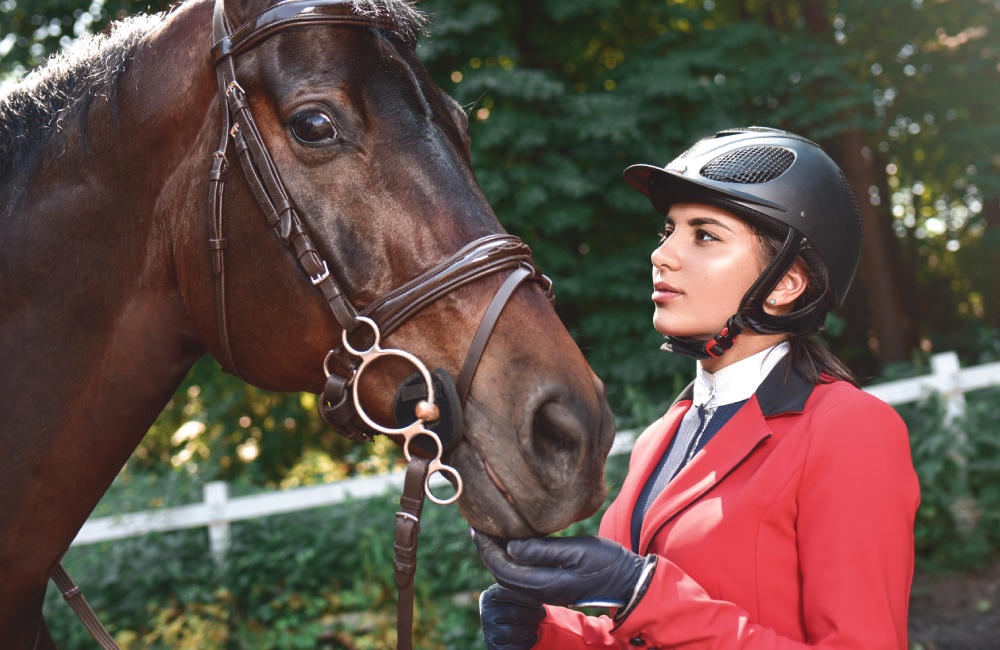
Owning a horse is a long-term financial and emotional commitment. Whether you compete, breed or ride for pleasure, a single colic episode, injury, theft or accident involving another person can cost more than many owners can absorb. Whether horse insurance is worth it comes down to one practical question: which of those losses could you pay for yourself?
Quick Answer
For most South African owners, horse insurance is worth it if you could not comfortably replace your horse, pay a large emergency vet bill or settle a claim from an injured third party out of savings. It matters less if your horse has a low market value and you keep a healthy emergency fund, although public liability cover is still worth considering. The value lies in choosing only the sections that match your horse and how you ride.
What Horse Insurance Protects You Against
Most equine policies are built from a few core sections. You choose the ones that suit your horse, your discipline and your budget:
- Mortality (including theft): pays out, based on the insured value, if your horse dies from an insured cause or is stolen and not recovered.
- Veterinary fees: emergency and surgical treatment, such as colic surgery, up to the limits in your schedule and less the excess.
- Loss of use: a percentage of the insured value if illness or injury permanently stops your horse doing the job it is insured for.
- Public liability: your legal liability if your horse injures someone or damages their property.
- Personal accident: cover for the rider or handler if they are injured.
- Tack and horsebox: theft of or damage to saddlery and your trailer, usually subject to security conditions.
For a section-by-section breakdown, see what horse insurance covers.
When Horse Insurance Is Usually Worth It
Insurance earns its keep when a loss would be large, sudden and hard to fund. It is usually worth it if:
- You could not replace your horse from savings. A competition horse, proven broodmare or trusted schoolmaster can take years and a significant sum to replace.
- A major vet bill would force a hard decision. Colic surgery, fracture repair and intensive care are among the most expensive emergencies owners face, and decisions often have to be made within hours.
- You compete or travel. Road travel between provinces, loading and unloading, and stabling away from home at shows all add exposure.
- Other people are around your horse. Outrides, lessons, livery yards, shows and hacking near roads all create liability risk, even with a quiet horse.
- You breed. Foaling complications or the loss of a proven mare or stallion can affect income for years.
- Your yard is exposed to theft. Rural and peri-urban properties can be targeted for horses and tack. Read our guide to horse theft in South Africa.
When It May Matter Less
Insurance is not the answer to every risk. It may matter less if:
- Your horse has a low market value and you would not buy an equivalent horse if it died.
- You keep an emergency fund large enough to pay for surgery or intensive treatment without delay.
- Your horse is retired, kept quietly at home and has little contact with the public.
Even then, many owners keep public liability cover, because a single claim from an injured person or a damaged vehicle can exceed the value of the horse many times over. A specialist broker can help you insure only the sections that make sense for you.
Three Scenarios Where Cover Makes the Difference
These examples are illustrative, not real claims. What a policy pays always depends on its wording, limits and excess.
Emergency colic on a Sunday night
A 12-year-old leisure gelding shows signs of colic and is referred to an equine hospital for surgery. With veterinary fee cover in place, the owner can approve treatment on the vet’s advice rather than on what they can afford that night, subject to the policy limit and excess.
A career-ending injury in a sport horse
A young show jumper suffers a tendon injury that rules out jumping at the level it was insured for. Vet fee cover helps with treatment and rehabilitation, and loss of use cover can pay a percentage of the insured value once the vet confirms the horse can no longer do its insured job.
A spooked horse on an outride
A horse spooks on a road verge, damages a passing car and injures the driver. Public liability cover responds to the third party’s claim and legal costs, up to the limit of indemnity, protecting the owner’s personal finances.
Risks South African Owners Often Underestimate
- Long-distance travel: shows, clinics and sales can mean thousands of kilometres on the road each season.
- Seasonal disease: African horse sickness peaks in late summer and autumn, when midges are most active, and vaccination records matter at claim stage. See our African horse sickness guide and our overview of common equine diseases.
- Weather: lightning, flash floods, hail and veld fires can all affect horses kept outdoors.
- The festive season: more events, busier rural roads and fireworks around New Year all increase the risk of injuries from spooking.
- Rising values: as training and results improve, a horse’s value can outgrow the amount it is insured for.
Different Horses, Different Answers
Sport and competition horses
Higher values, frequent travel and a greater risk of injury mean mortality, vet fee and loss of use cover are usually worth considering together. Tell your insurer the discipline and level you compete at.
Breeding stock and studs
Fertility problems, foaling complications and injuries can affect breeding value for years. Ask what breeding-related cover is available for your mares, stallions and foals before the season starts.
Leisure and family horses
Values may be lower, but vet bills are not. Many leisure owners focus on veterinary fees and public liability, with mortality cover at a realistic market value.
Common Mistakes That Make Insurance Feel “Not Worth It”
Most frustration with equine insurance comes from gaps discovered at claim time. Avoid these:
- Under-insuring the horse, which limits what a mortality or loss of use claim can pay.
- Not disclosing earlier injuries or conditions, which can lead to exclusions or a declined claim.
- Buying generic cover that does not reflect how horses are kept, ridden and transported.
- Ignoring exclusions, waiting periods and sub-limits in the policy wording.
- Changing the horse’s use without telling the insurer, for example moving from hacking to graded competition.
- Letting records lapse. Insurers may ask for vet records and vaccination histories, including batch numbers, when you claim.
How to Get the Most Value From Your Policy
- Review your cover every year, and whenever your horse’s value, discipline or yard changes.
- Insure at a fair, supportable value: not so high that you waste premium, and not so low that you are left short.
- Choose an excess you could pay comfortably at short notice.
- Keep records organised: passport or registration papers, photographs, microchip details, vet and vaccination records, and receipts for tack.
- Understand the claims process before you need it, including notification deadlines and which treatments need prior approval.
Want to see where insurance fits into the full cost of keeping a horse? Read the hidden cost of owning a horse in South Africa.
Frequently Asked Questions
Often, yes. Leisure horses can need the same emergency treatment as sport horses, and the cost of colic surgery or injury care does not depend on the horse’s value. Many leisure owners choose vet fee and public liability cover, with mortality cover at a realistic market value.
No. Mortality cover matters more as a horse’s value rises, but veterinary fees, public liability and personal accident cover protect you whatever the horse is worth.
Veterinary fee cover can be included in or added to most equine policies. It typically pays for emergency and surgical treatment up to set limits, less an excess. Routine preventive care, such as vaccinations, dentistry and deworming, is usually excluded.
Start with the risks you could least afford to pay yourself. For many owners that means emergency vet fees and public liability. A broker can help you prioritise sections and set an excess that keeps the premium manageable.
Often, yes, but age limits and conditions apply to some sections, and a vetting or recent vet history may be required. The cover options available can narrow as a horse gets older.
Complete the Equi-Cover online quote form with your horse’s details, value and use, and the cover you are interested in. The Equi-Cover team will review it and get back to you.
Related Equine Insurance Guides
- Horse Insurance in South Africa: The 2026 Guide
- What Does Horse Insurance Cover?
- How Much Does Horse Insurance Cost in South Africa?
- Loss of Use Horse Insurance in South Africa
- Horse Vet Costs in South Africa
- The Hidden Cost of Owning a Horse in South Africa (2026)
- Horse Theft in South Africa: How to Protect Your Horse
- Common Equine Diseases & Injuries in South Africa
- African Horse Sickness in South Africa (2026)
Disclaimer: This article is general information only and is not insurance, veterinary or legal advice. Equine policies differ between insurers and contain their own terms, conditions, exclusions and limits. Always read your policy wording and speak to a qualified adviser about your circumstances.